
Why Is My Water Heater Leaking?
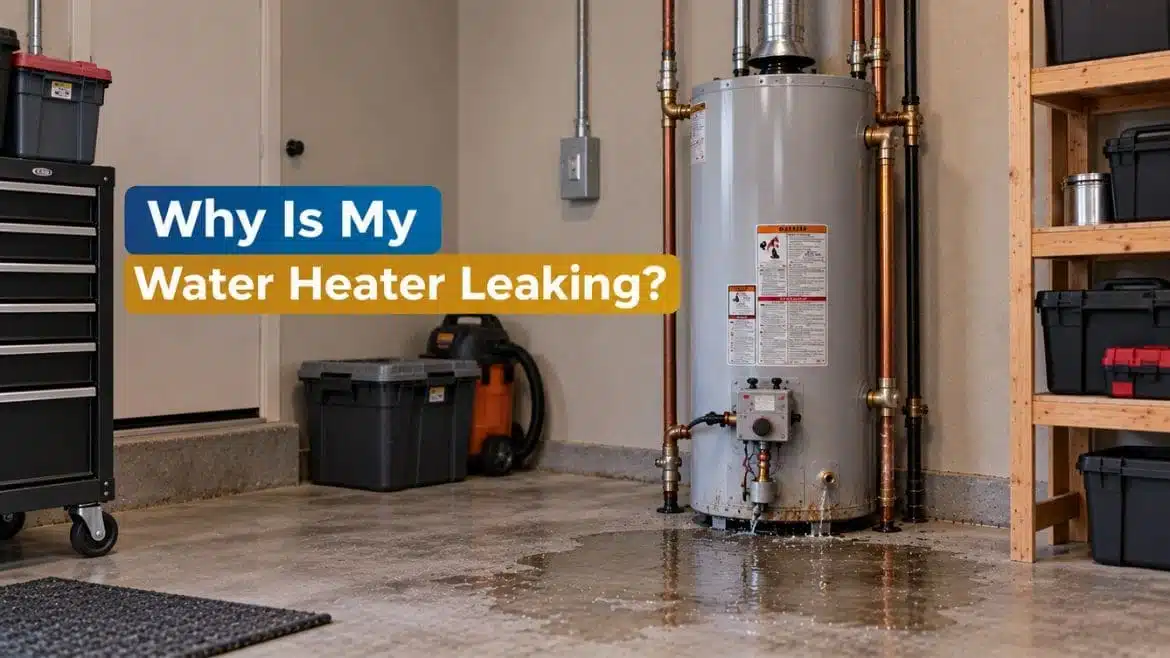
When you find a puddle collecting at the base of your water heater repeatedly, you know something is not right. More than just an inconvenient leak, a failing water heater can cause serious damage to your property
A water heater leak can result from a failing component, putting your hot water supply at risk and causing water damage to your belongings, walls, or even business inventory.
However, not all leaks are the same, and a leak doesn’t necessarily mean you need a replacement immediately. So, what are the underlying problems behind water heater leaks? And what causes them?
In this blog, we will learn about the main causes of water heater leaks, what to do when you discover one, how to recognize the source of the leak, and whether to repair or replace the unit. We’ll also explain when to call for water heater repair, helping you catch warning signs early before minor issues turn into costly property damage.
| Get Professional Water Heating Solutions in Sacramento – Call (916) 215-0030 |
Common Reasons Your Water Heater Is Leaking
Water heaters work every day to heat and store or provide hot water for your household. Over time, this constant use can cause mineral buildup, pressure problems, worn components, and eventually leaks. Here are the main problems you might face:
1. Loose Pipe Connections
Most of the time, pipe fittings tend to loosen. This can become worse as thermal expansion puts more stress on the fittings. Once the fittings at the top of the water heater loosen, water starts to drip around the cold-water inlet or the hot-water outlet.
2. High Water Pressure
Excessive water pressure places unnecessary stress on your tank, pipe connections, and internal valves. If left unmanaged, this high pressure forces water past the relief valve or damages vulnerable joints.
3. Faulty Temperature and Pressure Relief Valve
The temperature and pressure relief valve, also known as the T&P valve, is designed to release water when the temperature or pressure is too high. The valve itself can also become faulty and cause a leak. If you face this problem, get a professional water heater service technician to perform a detailed inspection and fix the issue.
4. Corrosion and Sediment Buildup
Inside a traditional tank water heater is an anode rod, which can attract corrosive elements and protect the tank. When this rod gets damaged, the tank becomes more vulnerable to corrosion. Sediment often collects at the bottom of the tank, especially in areas with hard water. And over time, heavy sediment buildup reduces efficiency and can cause overheating and leaks.
5. Old Age and Natural Wear
The service life of a traditional water heater tank is roughly 8 to 12 years, but the actual lifespan depends on usage, water quality, maintenance, and installation.
As the unit ages, its components can deteriorate, and the tank can become more vulnerable to corrosion. If you need professional advice, call a professional for water heater repair service who can recommend whether repair or replacement is the better option.
What Should You Do If Your Water Heater Is Leaking?
Here are the steps to follow once you discover a water heater leak:
Step 1: Turn Off the Water Supply
Find the cold-water shutoff valve above the unit and turn it off to prevent more water from entering the tank. If you are unable to locate the valve, turn off the property’s main water supply.
Step 2: Shut Off the Energy Source
If you have an electric water heater, you need to turn off the dedicated circuit breaker. For a gas water heater, you need to follow the manufacturer’s safety instructions to turn off the gas supply or set the control to the correct position. If you can’t find the main issue, you need to call a professional who can conduct a detailed inspection.
Step 3: Do Not Automatically Drain the Tank
If the tank itself has failed, you might need to drain it. But for some other types of leaks, you can address the issue without completely draining the tank. If the leak is severe, shut off the water and energy supply to protect the surrounding area.
Step 4: Clean Up Standing Water
It is important to remove all standing water as soon as possible to reduce the risk of damage to floors, drywall, and other materials. Use towels or a wet/dry vacuum to clear standing water. However, if water has reached electrical outlets or wiring, do not attempt to clean up or touch the system yourself due to severe electrical hazards. Instead, you should call a licensed professional who can safely secure the electrical components and handle your water heater service.
How Can You Tell Where the Water Heater Is Leaking?
Here are some clues that can help you identify the source of the leak:
1. Leak at the Top of the Water Heater
- A loose pipe connection
- A leaking fitting
- An issue with the cold-water inlet
- An issue with the hot-water outlet
- A leak from the temperature and pressure relief valve
A leak at the top may not always come from a loose connection. Water can sometimes travel along the outside of the tank, making the source of the leak difficult to identify.
2. Leak From the Side or Discharge Pipe
The system needs a professional inspection if water is leaking from the discharge pipe connected to the T&P valve. Possible causes include excessive pressure or temperature, or a faulty valve. As the T&P valve is a safety device, it should not be capped, blocked, or bypassed.
3. Leak From the Bottom of the Water Heater
Is your water heater leaking from bottom? It could be due to a:
- A leaking drain valve
- A loose connection
- Condensation in some cases
- A damaged tank
The tank may have failed if water is leaking from the tank itself instead of the drain valve or any other connection. In such cases, you need to get a professional water heater service technician to conduct a thorough inspection.
Is It Better to Repair or Replace a Leaking Water Heater?
Here is a simple breakdown:
| Repair May Make Sense When | Replacement May Make More Sense When |
| The water heater is relatively new. | The tank itself is corroded. |
| The tank itself is not damaged. | The water heater is near or beyond its expected service life. |
| A loose connection causes the leak. | Repairs are becoming frequent. |
| A valve or fitting has failed. | The unit has developed multiple problems. |
| The repair is relatively straightforward and cost-effective. | The cost of repair is high compared with replacement. |
| The unit is otherwise operating reliably. | You want to upgrade to a more efficient system. |
| The problem is limited to a replaceable part. | Your household or business has outgrown the existing unit. |
| Bottom line: The exact location of the leak plays an important role in deciding whether to repair or replace your system. Other factors include the age of the unit, the condition of the tank, and repair costs. |
If you have an older system, it may be time to consider water heater replacement or new water heater installation.
How Can You Prevent Water Heater Leaks?
After you have successfully identified and fixed the leaks, you should take steps to prevent future leaks as well. Here are some key steps you can take:
1. Flush the Tank When Recommended
Sediment accumulates inside a tank water heater over time, which reduces efficiency and can contribute to overheating and other operational issues. The appropriate flushing schedule depends on water quality, equipment, and the manufacturer’s recommendations. Get a professional to do this if you are not comfortable doing it yourself.
2. Inspect & Replace the Anode Rod
The anode rod within the tank corrodes over time and should be inspected at regular intervals. Replacing a worn-out anode rod can help extend the life of the water heater tank.
A technician offering water heater maintenance services can inspect the anode rod and advise whether a replacement is required.
3. Monitor Water Pressure
High water pressure puts too much stress on your water heater. It is recommended to maintain your home’s water pressure within the safe range recommended by local plumbing requirements and the equipment manufacturer. If the pressure is too high, get a professional to determine whether you need a pressure-reducing valve or expansion tank.
4. Schedule Regular Professional Maintenance
Schedule a water heater tune-up for:
- Checking connections
- Checking the temperature and pressure relief valve
- Checking for corrosion
- Assessing the overall system condition
- Inspecting for leaks
- Flushing the tank when required
- Checking operating components
- Inspecting the anode rod
Quick Queries From Our Clients
➢ Can I still use my water heater if it’s leaking?
You should stop using your water heater immediately once a leak is detected until a technician identifies the source. Turn off the water supply and the appropriate energy source if the leak is significant. If the water has reached electrical components or is creating a safety hazard, do not enter the area and look for professional assistance right away.
➢ Is a leaking water heater an emergency?
A leaking water heater is an emergency if:
• Water is spreading rapidly.
• The tank is corroded or damaged.
• Water has reached electrical equipment.
• You can smell gas.
• Water is continuously leaking from the temperature and pressure relief valve.
• The tank is bulging.
➢ How often should I have my water heater serviced?
Most water heaters require annual professional maintenance. But the schedule also depends on water quality, equipment type, usage, age, and the manufacturer’s recommendations.
Likewise, homes with hard water or high hot-water demand, as well as commercial systems, may need more frequent attention because mineral buildup and heavier use can put additional strain on the water heater. It is best to consult a professional who performs water heater tune-up to help determine the appropriate maintenance schedule for your system.
| For Expert Water Heater Services – Call (916) 215-0030 TODAY |
Final Thoughts
When faced with a leaking water heater, it is important to identify the source of the leak as soon as possible. While a leak from a connection or valve may be repairable, a leak caused by a corroded tank may require a complete replacement.
Scheduling regular maintenance is also a good idea, as it helps identify potential leaks early, along with other related issues.
Read More About:
- Tank vs Tankless Water Heaters: Which Is Better for Your Home?
- 6 Common Tankless Water-Heater Problems and Solutions
- What to Consider When Planning a Water Heater Installation
- What Size Water Heater Do I Need for My Home?
Serving Our Clients Throughout the Greater Sacramento Area
| Water Heater Repair Rocklin | Water Heater Repair Roseville | Water Heater Repair Granite Bay | Water Heater Repair Lincoln |
Maintain and Repair Your Water Heater System with The Water Heater Man
A small puddle today can turn into water damage, a cold shower, or an unexpected replacement tomorrow. When something doesn’t look right, you deserve someone who will give you a clear answer without unnecessary pressure. With 25+ years of experience, The Water Heater Man is licensed (#641126), locally owned, and available for 24/7 emergency water heater service in Sacramento. You can depend on us for –
- Water Heater Repair in Sacramento
- Water Heater Maintenance in Sacramento
- Water Heater Replacement and New Installation in Sacramento
- Tankless Water Heater Services in Sacramento
Call (916) 215-0030 or visit callwaterheaterman.com to schedule a service and get your water heater checked.