
What to Consider When Planning a Water Heater Installation
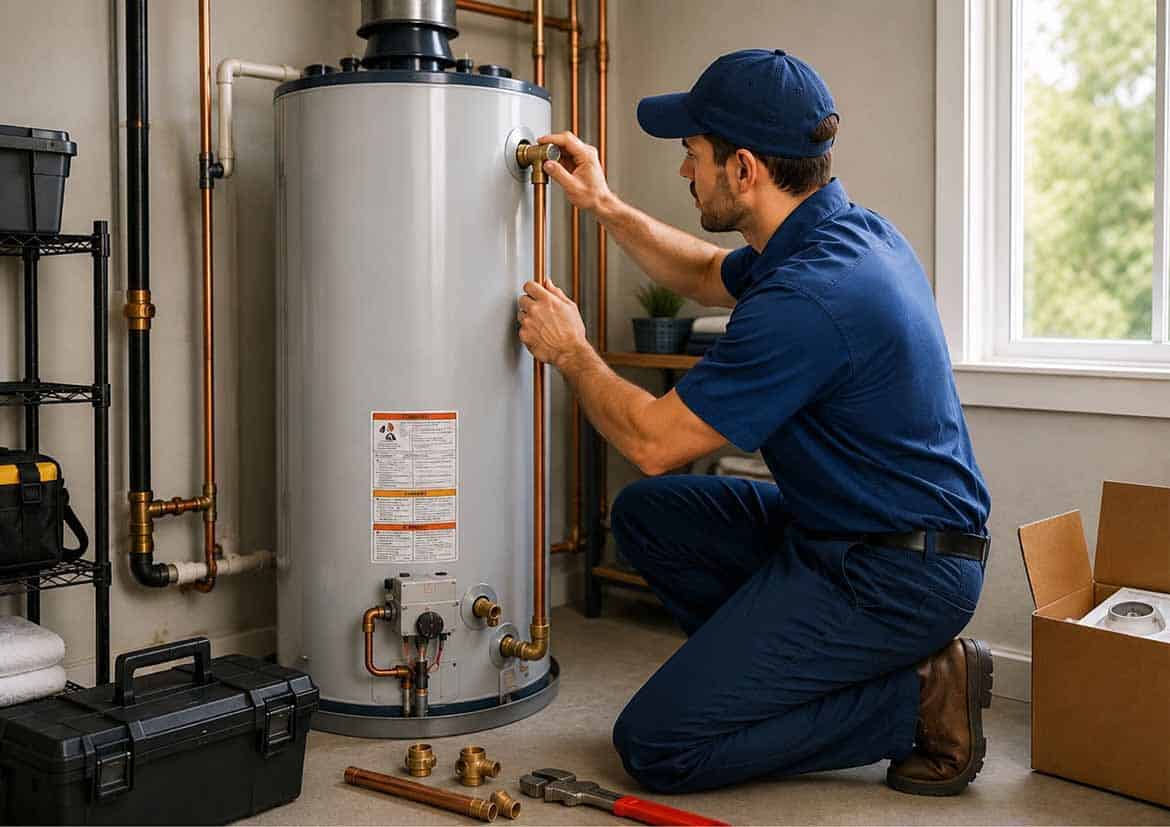
Imagine waking up on a cold morning, stepping into the shower, and getting blasted by a stream of cold water. It’s a frustrating, uncomfortable experience that hundreds of homeowners face every year. When your water heater fails or simply becomes too old to keep up with your family’s daily needs, the temptation is to buy the first replacement you find.
However, opting for a water heater replacement without a clear plan can lead to high utility bills, inconsistent hot water, and expensive code compliance issues down the road. Planning a proper water heater installation involves assessing your household’s actual hot water demand, evaluating your home’s infrastructure, and choosing a system that keeps your monthly utility bills low.
In this guide, we’ll break down the important factors you need to consider before opting for a water heater installation service and help you find the right system for your property.
| Get Reliable Water Heater Installation – Call 916-215-0030, NOW |
What are the Main Types of Water Heaters Available?
The first decision you need to make is choosing the type of system that will supply hot water to your home. The two most common options are traditional tank models and modern tankless units. And each operates quite differently.
- Traditional Storage Tank Water Heaters: These systems store a continuous supply of preheated water, usually 40 to 50 gallons, inside an insulated tank. Whenever you turn on a faucet, hot water is drawn from the top of the tank. The main benefit is a lower upfront purchase and installation cost. The downside is “standby heat loss,” which means the system uses fuel or electricity to keep the water hot 24/7, even when you’re asleep or away at work.
- Tankless Water Heaters: Often called “on-demand” systems, these units do not store any water. Instead, when you switch on the hot water, cold water travels through the pipe and into the unit. Here, it gets instantly heated by either a gas burner or an electric element. Choosing a tankless water heater installation gives you an endless supply of hot water and a lot of energy savings because the system only uses fuel or electricity when hot water is needed.
How Do You Determine the Right Size System for Your Home?
Many homeowners assume that buying the largest water heater available is the safest way to avoid cold showers. However, an oversized system will constantly cycle on and off, wasting energy and wearing out its internal components prematurely. Conversely, an undersized system will leave you shivering halfway through a shower.
To properly size a traditional tank water heater, you should look at its First Hour Rating (FHR). This metric measures how many gallons of hot water the heater can reliably deliver during the first hour of use when the tank starts completely full. For tankless systems, sizing is based on the required Gallons Per Minute (GPM) flow rate and the temperature rise needed to heat your local groundwater to a comfortable temperature.
To determine your needs, calculate your peak hour demand by adding up every hot water fixture that might run at the same time –
- A standard shower uses roughly 2.0 to 2.5 GPM.
- A washing machine utilizes around 1.5 to 2.0 GPM.
- A kitchen sink faucet runs at about 1.0 to 1.5 GPM.
An experienced water heater installation team will calculate these exact numbers to make sure your new unit can easily handle morning demands without spiking your utility bills.
What Fuel Sources Can You Choose From?
The fuel source you choose affects your monthly operating costs and determines what structural modifications your home may require.
Gas-Powered Water Heaters
Gas units are popular because they heat water quickly and generally cost less to operate than standard electric models.
- Atmospheric vent models: They use natural drafting to send combustion gases up through a vertical chimney or vent pipe.
- Power-vent models: They use an electric fan to safely push exhaust fumes horizontally through an exterior sidewall, providing greater placement flexibility if your home lacks a vertical chimney.
Electric Water Heaters
Electric models are highly efficient and do not require venting or gas lines, making them safe and easy to install in tight spaces. However, because electricity typically costs more per unit of energy than natural gas, standard electric water heaters can be more expensive to operate over time unless you upgrade to a hybrid heat pump model.
What Infrastructure and Space Requirements Are Needed?
You can’t simply replace your old unit with a new one without first checking your home’s existing infrastructure. Modern energy-efficiency regulations require manufacturers to add thicker insulation to storage tanks. Because of this, a brand-new 50-gallon tank is often several inches wider and taller than one built a decade ago. You must measure your utility closet, basement alcove, or garage carefully to ensure the new unit fits properly.
The infrastructure checks are even more important if you are upgrading from a traditional tank to an on-demand system. Gas tankless units require a higher volume of fuel to heat water instantly, which often means your contractor must upgrade your existing 1/2-inch gas line to a larger 3/4-inch line. Additionally, these units use specialized venting systems that require cutting new access paths through your home’s exterior walls.
What Local Building Codes and Permits Must Be Followed?
Skipping the permitting process to save money is a costly mistake. Local municipalities enforce strict safety standards for water heater installations to protect your household from fire, carbon monoxide poisoning, and structural water damage.
When handling a water heater replacement, an authorized contractor must install specific safety components to meet modern building codes:
- Thermal Expansion Tanks: Provide a safe overflow zone that helps prevent dangerous pressure spikes from damaging your plumbing pipes as heated water expands.
- Temperature and Pressure (T&P) Relief Valves: Safely release water if the tank’s internal temperature or pressure exceeds safe operating limits.
- Earthquake Strapping: California building codes require water heaters to be secured with heavy-duty metal straps anchored directly to wall studs to help prevent tipping during an earthquake (Source).
| Schedule Your Water Heater Installation – Call (916)-215-0030 TODAY |
Frequently Asked Questions About Water Heater Installation
➢ How long does a basic water heater installation in Rocklin take?
Replacing an old storage tank with a modern tank of the same fuel type and size typically takes 2 to 4 hours. However, converting from an electric system to a gas model or opting for a tankless setup requires more time. This is because these complex conversions involve modifying fuel lines, installing specialized exterior venting, and running new electrical circuits, which can take about 6 to 8 hours.
➢ Should I switch from a traditional tank to a tankless system?
For many households, the long-term energy savings and lifestyle benefits make the switch well worth it. Tankless systems consume less energy than conventional storage tank water heaters, while also saving space and eliminating the frustration of running out of hot water. However, because tankless units require specialized venting and upgraded utility lines, the initial installation cost is higher, meaning it may take a few years of lower monthly utility bills to fully recoup your upfront investment.
➢ How many years should a new water heater last?
A standard, well-maintained storage tank water heater usually lasts 8 to 12 years. In contrast, a high-quality tankless water heater can last 20 years or longer because many of its components are replaceable, and it does not experience the internal tank corrosion associated with storing water long term. To maximize the lifespan of either system, schedule annual maintenance to flush out sediment and keep the unit operating efficiently.
Final Thoughts
Taking the time to choose the right water heater size, fuel type, and system style can make a big difference in your home’s comfort and energy costs. The right system provides a reliable supply of hot water, operates more efficiently, and helps keep your monthly utility bills under control. By planning carefully and working with a qualified installer, you can enjoy dependable performance, improved energy efficiency, and lasting value for years to come.
Read More:
- Why Your Water Heater Runs Out of Hot Water Fast
- Is Hard Water Killing Your Water Heater?
- How Regular Maintenance Improves Water Heater Performance & Efficiency
- Electric vs. Gas Water Heaters: The Big Debate
Serving Our Clients Throughout the Greater Sacramento Area
| Water Heater Installation in Rocklin | Water Heater Installation in Roseville | Water Heater Installation in Granite Bay | Water Heater Installation in Lincoln |
The Water Heater Man – Experience Reliable Hot Water Every Day!
With 25+ years of experience, The Water Heater Man is the locally owned and operated water heater installation company you can rely on without a doubt. The owner of the company, Jay, ensures every job is done with professional care and attention. Also, we offer 24/7 emergency services, so you don’t have to stay without hot water for long.
As the best water heater installation company, we offer –
- Water Heater Repair
- Water Heater Replacement & New Installation
- Water Heater Maintenance
- Tankless Water Heater Services
Don’t allow your old system to leave you in the cold. Call our team of experts today at 916-215-0030 to schedule your water heater replacement Rocklin service.